
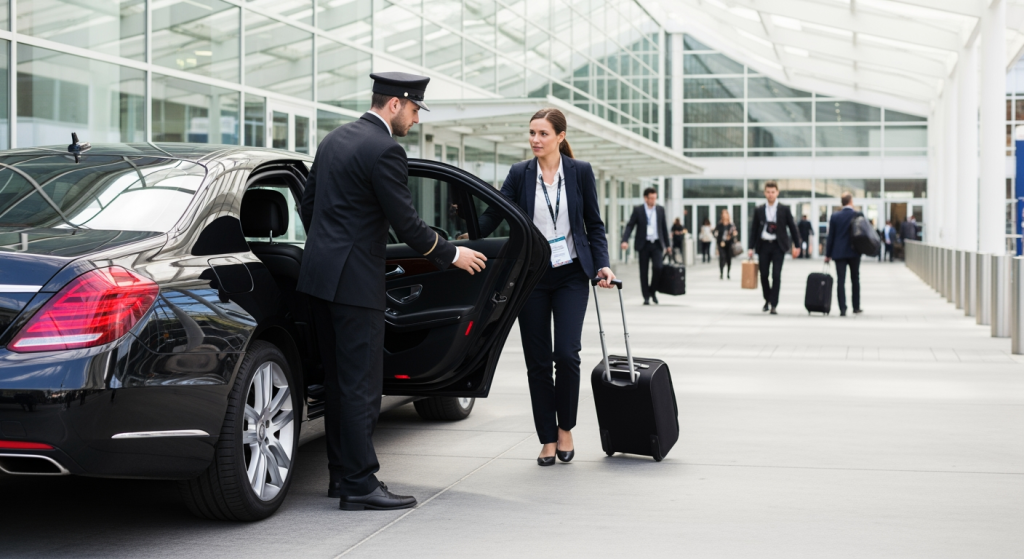
Planning transportation for a convention can feel like a juggling act: flights arrive late, agendas change fast, and VIPs don’t want to “network” next to a rental-car kiosk line. If you’re an event planner, executive assistant, or attendee coordinating rides for a team, a corporate car service is one of the simplest ways to reduce day-of chaos while keeping arrivals professional. Summer travel season can add extra crowding to airports and hotel entrances, which makes having a clear pickup plan even more valuable. The goal isn’t perfection—it’s predictable, well-communicated transportation that fits your schedule, your brand, and your people.
Quick Facts for Convention Transportation
- A corporate car service is pre-arranged, chauffeur-driven transportation designed for business travel, meetings, and events.
- It helps conventions run smoother by reducing confusion around pickups, drop-offs, and multi-stop schedules.
- Group needs vary: one executive ride, a rotating shuttle-style plan, or multiple vehicles for staggered arrivals.
- Clear details matter more than fancy extras—names, flight info, pickup points, and contact numbers prevent most issues.
- Expect policies to differ by provider (wait time, changes, cancellations), so confirm terms before booking.
How Corporate Car Service Works for Conventions
At a basic level, this service pairs a professional chauffeur and a reserved vehicle with your schedule. Instead of improvising rides on-site, you set the plan in advance—who is riding, when, and where they need to be.
For conventions, transportation usually falls into a few common patterns:
- Airport-to-hotel transfers: Individuals or small groups arriving at different times who need direct, reliable pickup.
- Hotel-to-venue runs: Morning and evening trips that keep attendees moving without everyone ordering separate rides.
- VIP and speaker routing: Dedicated vehicles for presenters, executives, or clients who need privacy and tight coordination.
- Multi-stop itineraries: Dinners, off-site meetings, sponsor events, and venue changes—often the trickiest part to manage.
If your convention is in Atlantic City, NJ, you’ll also want to think through busy curb areas at hotels and venues, where a clear pickup point and a simple “who calls who” plan can save a lot of time.
The Real-World Impact on Your Schedule and Budget
Transportation can quietly shape how your entire convention feels. When rides are unclear, people show up late, miss sessions, or start the day stressed—none of which helps your team perform.
Here’s what’s typically affected:
- Time: Not “guaranteed on-the-dot,” but generally more controlled than last-minute ride hunting—especially with a written itinerary.
- Cost control: A pre-set plan can be easier to track than dozens of separate receipts and reimbursement requests.
- Professionalism: For clients and VIPs, the ride is part of the experience—like the opening slide of a presentation.
- Safety and comfort: A rested driver, a maintained vehicle, and a clear route plan can reduce the friction of travel days.
Common Convention Booking Mistakes
- Booking without a master itinerary: “We’ll figure it out” often turns into overlapping pickups and missed connections.
- Not assigning a single point of contact: If five people can change the schedule, the schedule will change five times.
- Forgetting luggage and passenger counts: The right vehicle depends on how many people and how much they’re carrying.
- Assuming pickup locations are obvious: Convention centers and hotels can have multiple entrances; specify the exact one.
- Skipping policy review: Wait time, delays, and last-minute changes are normal—know how your provider handles them.
- Underestimating buffer time between events: Loading, unloading, and curb congestion can eat up minutes fast.
A Practical Convention Transportation Plan
- List every ride as a “trip block”: date, pickup time window, pickup point, drop-off point, passenger name(s), flight info (if relevant).
- Create a simple contact tree: one organizer + one backup, plus the rider’s cell number for day-of coordination.
- Standardize pickup instructions: a short message you can copy/paste to every attendee (where to stand, what to do if delayed).
- Match vehicles to use-cases: executive sedan for VIPs, larger vehicles for teams, and separate rides for speakers with tight schedules.
- Build in buffers: add extra time for venue load zones, security lines, and post-session crowd surges.
- Confirm details in writing: itinerary, policies, and any special requests (car seats, multiple stops, meet-and-greet instructions).
What Most Planners Miss
In practice, we often see that the smoothest convention transportation isn’t the most complicated—it’s the one with the clearest communication. When pickup points, passenger names, and a single decision-maker are locked in early, day-of changes are easier to handle without turning the lobby into a help desk.
When It’s Time to Bring in a Chauffeur Team
Consider professional support when any of the following are true:
- You’re coordinating multiple arrivals across different flights, terminals, or hotels.
- You have VIPs, speakers, or clients who need privacy, punctual coordination, or a consistent experience.
- Your itinerary includes multiple stops (dinners, off-site meetings, sponsor events) with tight turnarounds.
- You need centralized billing instead of scattered receipts and reimbursements.
- You want a single transportation plan rather than multiple apps and ad-hoc decisions.
Common Questions Answered
How far in advance should I book transportation for a convention?
As early as you can once you have a draft itinerary and headcount. Earlier planning usually gives you more options for vehicle types and scheduling, especially for multi-ride programs.
What details do I need to provide to reserve a chauffeur?
At minimum: pickup and drop-off locations, time window, passenger name(s), a contact number, and luggage/passenger count. For airport pickups, add flight numbers and arrival times.
Can a provider handle multiple pickups for a team arriving at different times?
Often yes, but it depends on fleet availability and how spread out the arrivals are. A shared plan with staggered trips or multiple vehicles may work better than trying to squeeze everyone into one timeline.
What’s the difference between a black car and a limo for convention travel?
“Black car” commonly refers to a premium sedan or SUV with a professional driver, suited to business travel. A limousine is typically larger and more event-oriented. The best choice depends on group size, luggage, and the tone you want.
What if our schedule changes during the event?
Changes are common at conventions. Ask in advance how updates are handled, who is authorized to request them, and what notice is needed for adjustments or cancellations.
Where to Go from Here
Convention transportation works best when it’s treated like a real part of the agenda—not an afterthought. Start with a simple itinerary, assign one point of contact, and match vehicles to the actual needs of your attendees. With clear pickup instructions and realistic buffers, you can reduce confusion and keep your team focused on the event itself.
Discover how we can help you achieve your goals.