
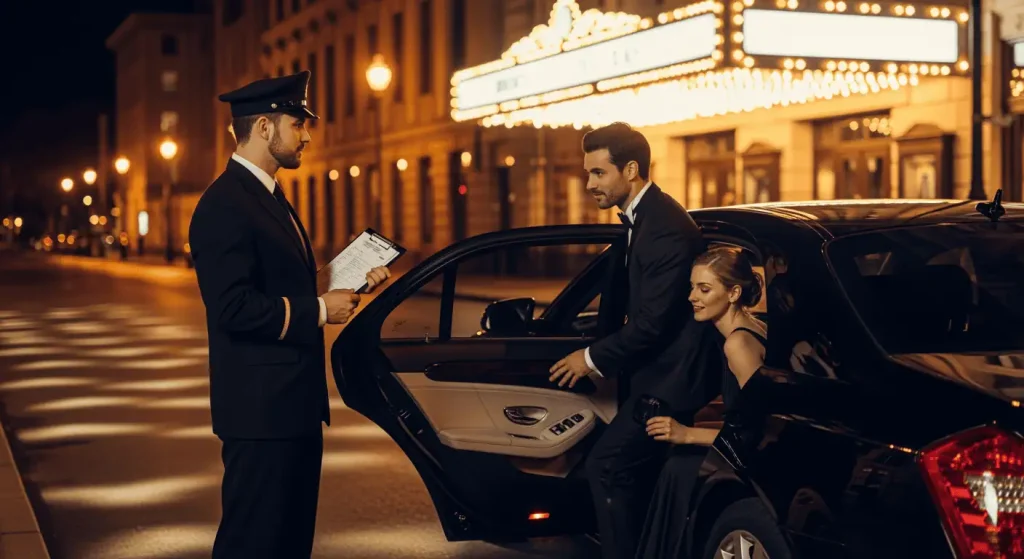
Planning a three-stop night out sounds simple until you add real-life variables: different reservation times, venue entry lines, parking, and keeping a group together without turning the evening into a logistics job. This case study is for couples, small groups, and hosts who want a smoother dinner-to-show-to-casino plan with a professional driver—without over-scheduling every minute. In spring, calendars fill up fast, so having a clear plan (and a little flexibility) can make the night feel effortless instead of rushed. Below is an example of how a chauffeur itinerary Atlantic City can be structured, what decisions mattered most, and what you can copy for your own multi-stop evening.
The Essentials for a Smooth Multi-Stop Night
- Build around immovable times: show start time and dinner reservation come first; everything else supports those anchors.
- Use buffers on purpose: plan extra time for venue entry, restroom breaks, and “we’re almost ready” moments.
- Pick one central pickup point: it reduces confusion and avoids multiple “where are you?” calls.
- Decide your flexibility level: either set exact stop windows or keep the casino portion open-ended.
- Share the plan in one message: a single itinerary note helps the whole group stay aligned.
How a Dinner–Show–Casino Chauffeured Itinerary Comes Together
The core idea is sequencing: you’re not just choosing places—you’re managing transitions. A well-built itinerary typically includes (1) one primary pickup time, (2) a dinner arrival target that allows for seating and ordering without rushing, (3) a show arrival target that accounts for entry and finding seats, and (4) a post-show plan that can flex based on energy levels.
In this case, the host wanted a classic three-part evening: dinner, a ticketed show, then casino time. The group’s priorities were straightforward: stay together, avoid parking hassles, and keep the night feeling “special” rather than like a relay race between venues.
Case Background: The Group, the Goals, and the Constraints
Group profile: a host plus three guests (two couples total), dressed for a night out, with one person who preferred minimal walking.
Primary goal: make all three stops comfortably, with enough time to enjoy each one.
Constraints: a fixed show start time, dinner reservation timing, and the reality that pickup and venue entry can take longer than people expect.
Success definition: nobody feels rushed, nobody gets separated, and the host isn’t “managing transportation” all night.
The Hidden Costs of Poor Timing (And Why It Snowballs)
Multi-stop evenings tend to fail in predictable ways: one late departure turns into a rushed dinner, which turns into a stressed walk into the show, which turns into a “let’s just skip the casino” mood. Even if you’re only off by 10–15 minutes early on, it can compound because ticketed events don’t wait and popular venues don’t pause their entry lines.
There are also practical tradeoffs:
- Budget: last-minute changes can increase time in service, add waiting, or force expensive alternatives.
- Comfort: extra walking or multiple drop-offs can wear down the group before the fun part.
- Experience: arriving flustered changes the tone—like showing up to a birthday cake after someone already blew out the candles.
Common Missteps That Derail a Three-Stop Night (Checklist)
- ☐ Planning dinner too close to showtime: you end up choosing between enjoying the meal and making the curtain.
- ☐ Assuming venue entry is instant: security checks, ticket scanning, and seat-finding take time.
- ☐ Not defining “pickup ready” expectations: one person running late makes everyone late.
- ☐ Building an itinerary with no buffer: it looks tidy on paper and collapses in real life.
- ☐ Multiple pickup locations for a small group: it adds coordination and increases the chance of confusion.
- ☐ Leaving the post-show plan vague: the group stands outside debating options instead of moving smoothly to the next stop.
The Itinerary We Used: A Practical Example You Can Copy
Below is the structure used for this evening. Times are shown as a template rather than a promise—traffic, venue operations, and group readiness can change the flow. The key is the sequence and the built-in buffers.
- T-2:15 to T-2:00 (Pickup window): chauffeur arrives within an agreed pickup window; group is fully ready before the window begins (coats, tickets, IDs, payment method).
- T-1:45 (Dinner arrival target): arrive early enough to be seated, order, and enjoy without watching the clock every five minutes.
- T-0:45 (Depart dinner): planned departure that assumes a comfortable meal pace, not a sprint.
- T-0:25 (Show arrival target): allows time for entry, restrooms, and finding seats.
- T+2:15 (Post-show pickup): a clear pickup point is set in advance; group regroups there instead of splitting up.
- T+2:30 onward (Casino portion): flexible—either a set duration (e.g., 60–120 minutes) or an open-ended plan with an agreed check-in time.
- End of night (Return): a final drop-off plan is confirmed before the casino stop begins.
One small but important detail: the host sent a single message to the group with the pickup window, the “be ready by” time, and the post-show pickup point. That alone prevented a surprising amount of friction.
What Changed During the Night (And How the Plan Absorbed It)
No itinerary survives first contact with a group chat. Two changes popped up:
- A slower-than-expected dinner pace: the buffer before the show meant the group could still finish comfortably and depart on schedule.
- Post-show decision fatigue: because the pickup point and next stop were already agreed, the group didn’t stall outside debating options.
The outcome wasn’t “perfect timing.” It was a plan with enough slack that normal human behavior didn’t break it.
Results: What the Group Got Out of a Structured Plan
- Less stress for the host: fewer moving parts to coordinate mid-evening.
- Better pacing: dinner felt like dinner, not a pre-show snack with table service.
- Cleaner transitions: the group stayed together, with fewer last-second scrambles.
- More flexibility at the end: the casino portion could expand or shrink without wrecking earlier commitments.
Professional Insight: The One Detail Most People Miss
In practice, we often see the night go sideways not because of traffic, but because the group doesn’t agree on what “ready” means. Setting a pickup window and a separate “everyone is fully ready by” time is a simple fix that keeps the evening calm and on track.
When It’s Smart to Use a Chauffeur for a Multi-Stop Evening
Consider professional transportation support when:
- You have a fixed showtime: you’ll benefit from a plan built around immovable timing.
- Your group includes anyone with mobility concerns: reducing walking and uncertainty can make the night more enjoyable.
- You’re hosting guests: it’s easier to focus on people instead of parking and coordination.
- You want multiple stops without splitting cars: staying together improves the experience.
- You’d rather not manage end-of-night logistics: a defined return plan helps avoid last-minute scrambling.
Common Questions Answered
How far in advance should I map out a three-stop night?
As soon as you have a showtime and a preferred dinner reservation window. Even a simple outline (pickup window, dinner, show, post-show plan) helps you spot timing conflicts early.
Should the casino stop be timed or open-ended?
Either can work. Timed stops are easier for groups that like structure; open-ended plans can be more relaxed, especially if you set a check-in time to reassess.
What information should I share with the driver ahead of time?
Provide the stop order, target arrival times, any tickets or reservations with fixed start times, the preferred pickup contact, and any mobility or walking preferences in the group.
What’s the simplest way to keep a group coordinated?
Send one message with the pickup window, the “be ready by” time, and the post-show pickup point. Fewer messages usually means fewer misunderstandings.
Where to Go from Here
A multi-stop evening works best when you plan around fixed times, add realistic buffers, and decide in advance how flexible the last stop should be. This case study shows that the goal isn’t perfect precision—it’s a structure that stays calm when real life happens. If you’re building your own chauffeur itinerary Atlantic City, start with the showtime, then work backward to create breathing room. A little planning up front can make the whole night feel more like a treat and less like a checklist.
Get Your Free Quote
Find out how we can help with a no-obligation quote.