
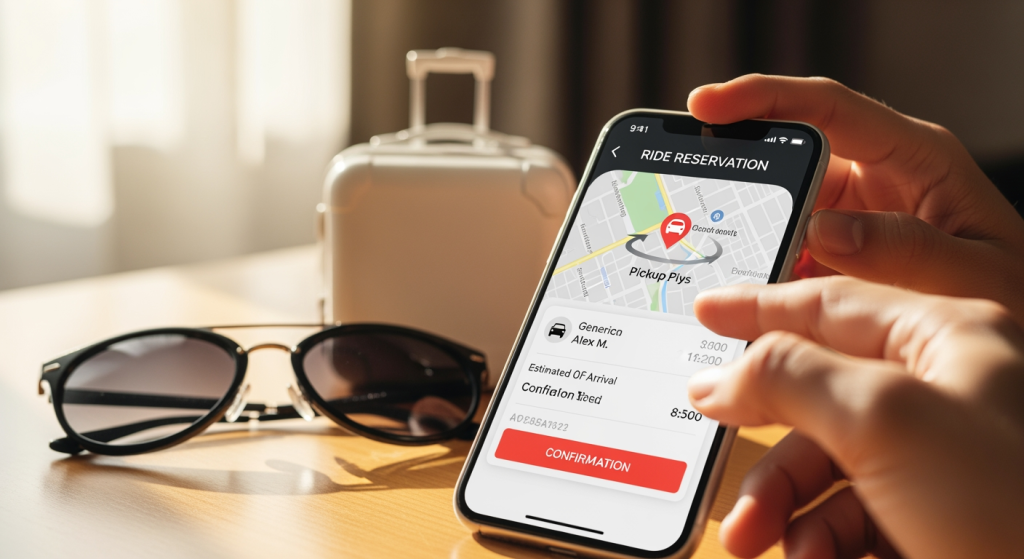
Planning transportation gets trickier when demand spikes and everyone’s schedule changes at once—so it’s no surprise that car service booking habits are evolving fast. If you’re a traveler, event host, or business traveler comparing options, the big question is: what’s changing in how people reserve professional rides, and how can you avoid last-minute stress? The short version is that customers are booking earlier, expecting clearer confirmations, and paying more attention to vehicle fit and pickup details than ever. In the summer months, those patterns tend to intensify as leisure travel and group outings stack up. Understanding these shifts helps you choose the right service level, set realistic expectations, and lock in transportation that matches your itinerary—without relying on luck or wishful thinking.
For riders in Atlantic City, NJ, these trends show up in real life when weekends fill up and pickup windows get tighter. If you’re comparing options, start with a reputable provider and focus on the details that affect your day—pickup instructions, passenger count, luggage, and timing flexibility—rather than just the headline price.
If you’re looking for car service booking in Atlantic City, NJ, it helps to approach it like you would a restaurant reservation on a busy night: confirm early, share specifics, and keep communication simple.
The Essentials: 2026 Summer Booking Shifts
- Earlier reservations are becoming the norm for peak travel windows, especially for larger vehicles and multi-stop rides.
- “Details-first” requests are increasing: riders are more likely to specify luggage, passenger count, and pickup instructions up front.
- Confirmation expectations are higher, with customers wanting clear pickup windows, contact methods, and change policies.
- Vehicle matching matters more—people are choosing based on comfort, space, and occasion rather than “any car.”
- Flexible planning is valued: riders are building buffer time instead of assuming perfect traffic conditions.
How Car Service Booking Is Changing (And Why)
Industry-wide, the booking experience is becoming more structured. Customers are treating professional transportation less like a last-minute convenience and more like a planned part of the itinerary—similar to flights, dinner reservations, or venue tickets. That shift is driven by a few practical realities:
- Demand concentration: More people travel and attend events during the same narrow windows, so availability can tighten quickly.
- Itinerary complexity: Multi-stop plans (hotel → dinner → venue → return) require cleaner coordination than a simple point-to-point ride.
- Preference for predictability: Riders want fewer surprises—clear pickup instructions, who to contact, and what happens if plans change.
None of this requires complicated planning, but it does mean the “quick text the night before” approach is less reliable for higher-stakes rides (airport transfers, celebrations, corporate pickups, and group outings).
The Real-World Impact on Your Time, Budget, and Stress
These trends affect more than convenience. They can influence what you pay, what vehicle you get, and how smoothly your day goes.
- Time: When schedules are tight, missing key details (exact pickup point, passenger count, luggage) can create avoidable delays at pickup.
- Cost control: Last-minute changes—extra stops, different vehicle needs, extended wait time—can affect pricing depending on the provider’s policies.
- Experience: Choosing the wrong vehicle size can turn a “luxury ride” into a cramped shuffle, especially with bags or formalwear.
- Coordination: Group rides often fail for simple reasons: unclear meeting spots, multiple arrival times, or missing contact info.
The goal isn’t perfection—it’s reducing preventable friction by sharing the right information early and confirming the essentials.
Common Booking Missteps to Avoid (Quick Checklist)
- Waiting to share passenger and luggage counts: This can lead to an uncomfortable fit or the need to rebook.
- Using vague pickup locations: “Front entrance” isn’t always specific enough for hotels, venues, or large properties.
- Assuming traffic will cooperate: Build buffer time instead of planning to arrive “exactly on the dot.”
- Not clarifying stops and timing: Multi-stop rides work best when stops and approximate timing are defined up front.
- Skipping policy questions: Ask how changes, wait time, and cancellations are handled so there are no surprises later.
- Booking the cheapest option without vetting: Price-only decisions can overlook professionalism, communication, and vehicle suitability.
A Smart Summer Reservation Plan (Do This, Not That)
- Book earlier for peak days and for larger vehicles or group transportation.
- Provide a complete ride brief: pickup address, exact meeting point, passenger count, luggage, and any special needs.
- Confirm the communication plan: who you’ll contact, when details are shared, and how updates are handled.
- Choose the right vehicle for the occasion (space, comfort, and attire-friendly seating).
- Add buffer time for airports, dinner reservations, and showtimes to reduce stress if conditions change.
- Keep changes centralized: designate one point of contact for group rides to avoid crossed wires.
Professional Insight: The Detail That Prevents Most Day-Of Problems
In practice, we often see the smoothest trips happen when the rider shares one simple thing early: a precise pickup plan. That means the exact entrance, a recognizable meeting point, and a primary contact number for day-of coordination. It sounds small, but it prevents the most common “we’re both here but can’t find each other” scenario—especially at busy properties and event venues.
When It’s Time to Bring in a Professional Chauffeur Service
Consider professional help (and earlier planning) when any of the following are true:
- You have a fixed start time (flight, ceremony, reservation, or show) where delays create cascading problems.
- You’re coordinating a group and need one vehicle plan instead of multiple separate arrivals.
- You need multi-stop routing and want a single, organized itinerary.
- You’re hosting clients or VIP guests and want a polished, consistent experience.
- Your pickup location is complex (large hotels, venues, or properties with multiple entrances).
Your Questions, Answered
How far in advance should I reserve a professional ride during peak season?
Earlier is usually better when demand is high—especially for larger vehicles or specific pickup times. If your ride is tied to a flight, reservation, or event start, booking ahead gives you more options and time to confirm details.
What details should I share to get the right vehicle?
Include passenger count, luggage quantity, pickup and drop-off addresses, and whether you’ll be in formal attire or carrying bulky items. Those details help match you to a vehicle that’s comfortable and practical.
Can I add stops after I reserve?
Many providers can accommodate changes, but it depends on scheduling and policy. The safest approach is to list planned stops up front and ask how additions affect timing and pricing.
What’s the best way to avoid confusion at pickup?
Use a specific meeting point (exact entrance or landmark) and provide a reliable day-of contact number. If you’re at a large property, clarify whether you’ll be waiting curbside, in a lobby, or at a designated rideshare area.
Is it okay to plan a tight schedule with no buffer time?
It’s possible, but it increases risk if traffic or loading/unloading takes longer than expected. Building a reasonable buffer often reduces stress and makes the overall plan more resilient.
The Path Ahead
Summer 2026 booking trends point to one clear theme: riders want more clarity, earlier planning, and better vehicle fit—not just a ride. If you share specifics up front, confirm the pickup plan, and build a little buffer into your schedule, you’ll usually get a smoother experience. The biggest wins come from small details handled early rather than last-minute scrambling.
Get in Touch
Fill out our quick form and we’ll get back to you within 24 hours.