
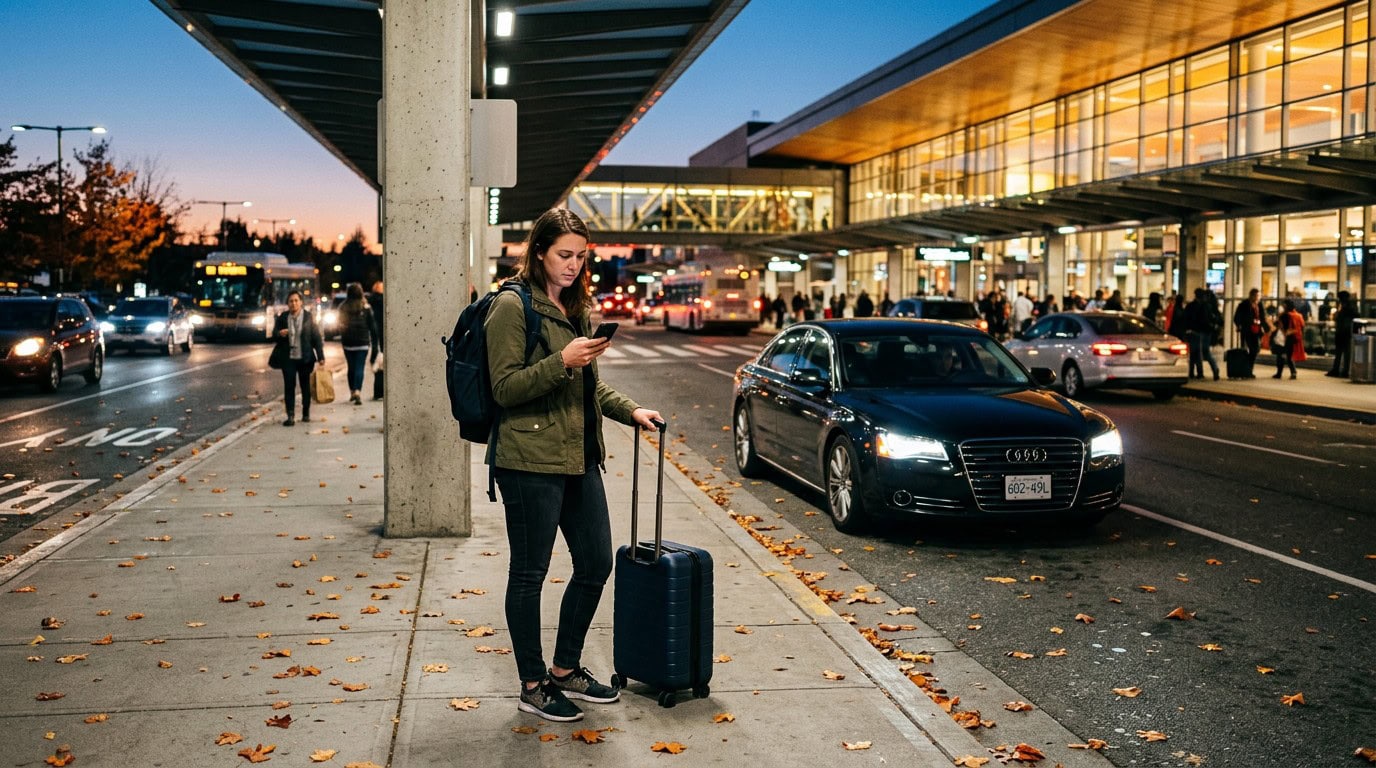
Fall travel can be a gamble: your flight is on time… until it isn’t. If you’re a business traveler, a family coordinating pickups, or anyone trying to make a tight connection, the real stress often starts on the ground—getting to the terminal, adjusting to schedule changes, and making sure your ride plan doesn’t fall apart when the departure board does. Reliable airport transportation matters because delays can trigger cascading problems: missed check-ins, rebooking lines, parking overages, and late-night arrivals with limited ride availability. A smart plan reduces decision fatigue and keeps you in control when the airline timetable stops cooperating.
This guide breaks down how to plan your ride to and from the airport during delay-prone seasons, what to confirm in advance, and how to adapt quickly if your flight time shifts.
If you’re arranging airport transportation in Atlantic City, NJ, it helps to treat your ride like part of your itinerary—not an afterthought—so you have options when plans change.
Bottom Line Upfront: Delay-Proof Your Ride Plan
- Build buffer time for check-in, security lines, and terminal walking—then add extra cushion during peak travel periods.
- Use live flight tracking (airline app + airport status) and share updates with your driver or pickup contact as soon as times change.
- Confirm pickup rules (terminal, door, ride-share zones, and wait policies) before travel day to avoid confusion after a delay.
- Plan for “late arrival” scenarios by knowing your backup options: alternate pickup points, a second contact, or a flexible pickup window.
- Keep essentials accessible (charger, snacks, meds, ID) so you’re not digging through checked luggage when plans shift.
How Airport Ground Transfers Work During Delays
When a flight is delayed, the biggest challenge is timing alignment: the aircraft schedule changes, but your ground ride may be operating on a fixed pickup plan. A strong strategy starts with understanding the moving parts:
- Departure-side rides (to the airport): Your risk is missing check-in or boarding due to traffic, parking, or long security lines. The “delay” may be on the airline side, but you usually still need to arrive with enough time to handle airport processes.
- Arrival-side rides (from the airport): Your risk is getting in late, waiting in crowded pickup areas, or having trouble coordinating a new pickup time if the original estimate changes.
A delay-resistant approach is to treat your ride plan as flexible: confirm how updates are handled, who you contact, and what happens if your flight lands earlier or later than expected.
Two timing models you’ll see
- Scheduled pickup: The ride is set for a specific time (common for departures). This works well when you build buffer time.
- Flight-monitored pickup: The pickup adjusts based on flight status (common for arrivals). This reduces guesswork, but you still need clear communication about where to meet.
What Delays Really Cost You (Beyond Annoyance)
Delays aren’t just inconvenient—they can create real, avoidable costs and risks if your ground plan isn’t ready:
- Extra waiting time: If your pickup plan can’t flex, you may end up waiting longer at the curb or scrambling for a last-minute ride.
- Missed connections: A late drop-off can snowball into missed boarding windows, especially if you need to check bags.
- Higher last-minute pricing: On-demand rides can surge during busy arrival banks or bad weather. Pricing and availability vary by provider and conditions.
- Safety and fatigue: Late-night arrivals + long travel days increase the chance of poor decisions—like driving tired or accepting a confusing pickup plan.
- Coordination stress: If you’re managing travel for a team, client, or family, a delay can turn into a communication mess without a single source of truth.
Common Delay-Day Mistakes (Checklist)
- Assuming the airport will be “quiet” because your flight is delayed: Other flights may still arrive/depart on time, and lines can remain long.
- Not confirming the exact pickup location: Terminals often have specific zones for private pickups, taxis, and app-based rides.
- Waiting too long to share updates: The earlier you communicate a schedule change, the more options you typically have.
- Forgetting about checked baggage time: Landing time isn’t the same as curb-ready time. Bags, restrooms, and walking distance add minutes.
- Relying on a single contact method: If your phone dies or reception is poor, coordination breaks down fast.
- Overpacking essentials into checked luggage: A delay plus a checked bag issue is a double hit. Keep critical items with you.
A Practical Game Plan for Smoother Airport Pickups and Drop-Offs
- Set a communication chain: Decide who will text/call updates (traveler, assistant, or coordinator) and who is the backup contact.
- Use two sources for flight status: Check the airline app and the airport’s official status feed to reduce stale information.
- Add “curb-ready” buffer: For arrivals, plan extra time after landing for taxiing, deplaning, baggage claim, and walking.
- Choose a clear meeting point: Pick a specific door number, column, or labeled zone if your terminal uses them.
- Keep your phone alive: Pack a cable and portable charger in your personal item, not your carry-on that might get gate-checked.
- Have a fallback: Know your alternate pickup option (different door, different level, or a nearby garage) if the curb is congested.
- Document the plan: Put pickup instructions in a note you can copy/paste quickly during a delay.
Professional Insight: The Small Detail That Prevents Big Confusion
A common reason airport pickups go sideways during delays isn’t the delay itself—it’s unclear meeting instructions. “I’m outside” doesn’t work at a busy terminal with multiple levels, doors, and pickup zones. A specific plan—terminal + level + door/zone + traveler’s clothing color + which side of the roadway—cuts down on back-and-forth and helps you get moving faster.
Delay-Day Checklist (General Guidance)
- Add the right buffer for departures: As a general rule, add 30–45 minutes beyond your usual plan if you’re carry-on only, and 45–75 minutes if you’re checking bags or traveling with kids/extra gear.
- Use “curb-ready,” not “landing time,” for arrivals: Plan on being pickup-ready about 20–30 minutes after landing with carry-on only, and 35–60 minutes if you checked bags (taxi-in, deplane, restroom, baggage claim, and walking time add up).
- Send an update when the change is meaningful: If your ETA shifts by 15+ minutes, message your pickup contact/driver with the new status and your best callback number.
- Switch pickup spots when the curb is a mess: If you can’t connect within 10 minutes at the curb (or you’re being waved through), move to a pre-agreed alternate like a parking garage level, a designated commercial/ground-transportation area, or a clearly labeled door/zone away from the main crush.
- Confirm your “Plan B” meeting point before you land: Pick a second location you can reach in 5–10 minutes on foot (for example: a different door number, a different level, or a garage pedestrian bridge).
Atlantic City–Area Airport Transfer Notes (General)
If you’re traveling to or from the Atlantic City area, you may be routing through a mix of regional and major airports depending on flight availability. Common options for South Jersey travelers often include Atlantic City International (ACY), Philadelphia International (PHL), and Newark Liberty (EWR), with some itineraries using JFK or LaGuardia (LGA) for certain routes.
Drive times in this region can vary widely by day and hour. As general planning guidance, build an extra 20–45 minutes for traffic variability (and more during peak holiday weekends, major events, or severe weather). For arrivals, remember that pickup rules differ by airport: some terminals restrict curb access, require pickups in a designated ground-transportation zone, or use different levels for arrivals vs departures. A quick check of the airport’s posted pickup instructions before travel day can prevent last-minute confusion.
When It’s Time to Use a Professional Car Service
Some trips are better handled with a scheduled, chauffeur-driven plan—especially when the cost of being late is higher than the cost of the ride. Consider professional support if:
- You have a tight check-in or meeting window: You need a plan that prioritizes timing and coordination.
- You’re traveling with a group: Multiple people, bags, and split arrivals make logistics harder.
- You’re arriving late at night: You want a clear pickup plan rather than searching for options after a long day.
- You’re coordinating for a client or executive: Clear communication and a defined pickup process reduce friction.
- Your trip has multiple stops: Hotel, office, venue, or home drop-offs are easier with a pre-arranged itinerary.
Frequently Asked Questions About Delay Planning
How early should I plan to arrive for a flight during busy seasons?
Airports and airlines publish general timing guidance, but actual needs vary by terminal, baggage, and day-of conditions. Build extra buffer if you’re checking bags or traveling at peak times.
What information should I share with my driver if my flight time changes?
Share the updated departure or arrival time, airline and flight number (if applicable), and your best contact number. If you’re being picked up, add the terminal and a clear meeting point.
Is landing time the same as pickup time?
No. After landing, you still have taxiing, deplaning, walking, and possibly baggage claim. Plan for a delay between touchdown and being ready at the curb.
What’s the easiest way to avoid confusion at the pickup area?
Agree on a specific zone or door in advance and send a quick message when you’re heading to the meeting point. A short description of what you’re wearing can also help in crowded areas.
What should I do if my phone battery dies during a delay?
Use a portable charger if you have one, and consider writing down key numbers and pickup instructions on paper or saving them offline. If you’re traveling with others, designate a backup contact.
Taking Control of Delay-Day Logistics
Fall delays are frustrating, but your ground plan doesn’t have to be. Build buffer time, confirm pickup details, and communicate changes early so your ride stays aligned with your real schedule. The goal is reducing chaos when plans shift. A pre-arranged pickup with clear meeting instructions can make the whole trip feel more manageable.
Learn More About Our Services
Before you book any car service for an airport run, ask a few delay-day questions so you know exactly how changes are handled:
- Do you monitor flights for arrivals? If yes, ask what details they need (airline + flight number) and whether they track gate changes.
- What is the wait-time policy? Ask how long the driver will wait after landing (or after you’re curb-ready), and what happens if baggage claim runs long.
- Where is pickup allowed at my airport? Confirm the exact terminal/level/zone and whether curb pickup is permitted or if a garage/ground-transportation area is required.
- How will we communicate day-of? Text vs call, who initiates contact, and what number you should save in your phone.
- What’s the backup meeting point? Decide on a second location in case the curb is congested or you’re directed to move along.